


Drone Tech in Stadium Security and Broadcast Coverage
(SPORTS TECHNOLOGY)
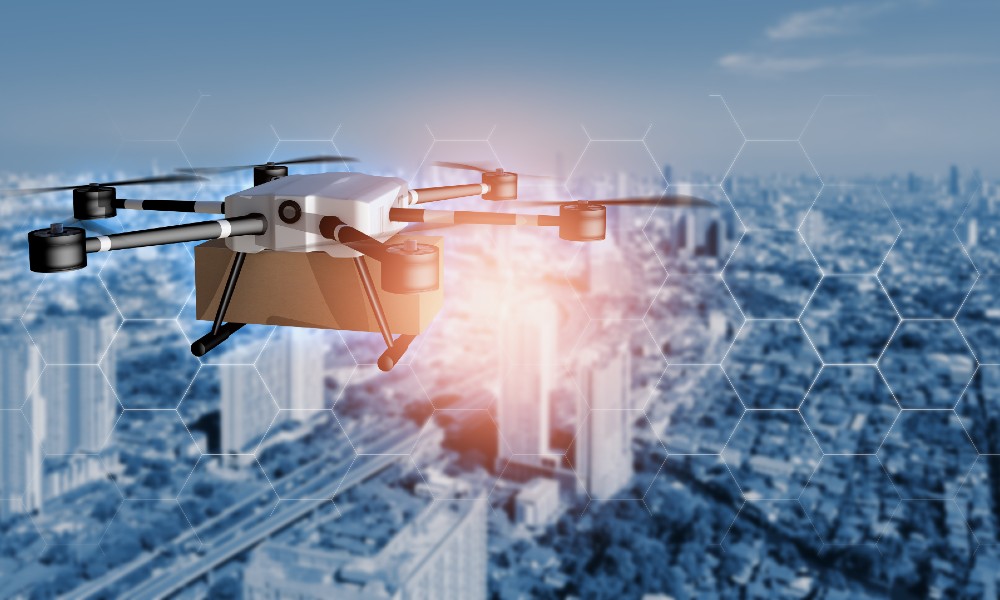
The use of drones is rapidly changing how large venues operate in terms of safety and live entertainment. Stadiums that host large sporting events face greater pressure to enhance security and situational awareness and to deliver more engaging broadcasts. Drones, once considered for leisure or military use, are now becoming part of these agendas. The fact that they offer real-time aerial and dynamic shots with the camera makes them especially useful in challenging, dense backgrounds.
Drones are a sign of the broader shift toward smarter infrastructure, and the entertainment industry's growing responsiveness is expected to extend across areas such as sports, concerts, and large-scale venues, much like a casino. The adoption of drone systems is no longer an experiment but a strategic initiative.
Enhancing Stadium Security From Above
Security monitoring is one of the most significant benefits of using drones in sports facility environments. The old surveillance method relies heavily on fixed-position cameras and ground patrols, which can create blind spots in large or busy areas. Drones offer a panoramic view from above, are flexible, and provide security staff with real-time visibility into the area to be protected, entrances, parking areas, and people movement.
Top drone technology can also monitor unusual activity, detect congestion risk, and aid emergency response, thanks to its high-resolution cameras and thermal sensors. This would be especially useful during the busiest arrival and departure periods, when people are most concentrated. Similar to surveillance systems in casinos, the drone-based monitoring approach is proactive rather than reactive, enabling the security department to address issues before they escalate into serious threats.
Real-Time Intelligence and Rapid Response
Drones can serve as mobile intelligence units, transmitting live information to control centers. This real-time visibility enhances decision-making during incidents such as medical emergencies, attempts to access it illegally, or evacuations. Rather than relying solely on reports from ground staff, operators can review issues within a few seconds.
This reflects the operational logic of large casino resorts, where centralized surveillance networks coordinate security responses across large floor areas. For example, drones in stadiums use this model vertically, providing viewers with an angle unmatched by ground-based systems. The outcome is an improved response time and coordinated action among security teams.
Transforming Broadcast Coverage
Beyond security, drones are transforming sports broadcasting. Drones deliver cinematic-quality live coverage, offering dynamic shots that would have been impossible with cranes or cable cameras. Such views complement the narration by demonstrating the crowd's energy, the stadium's architecture, and the scale of large-scale events.
Drones are also increasingly used by broadcasters to capture pre-game sequences, halftime visions, and between-segment shots. This methodology follows the entertainment-based presentation model customers are accustomed to in high-production environments, such as casino and live shows. Broadcasts become more lifelike and high-end with the visual effect of the drone footage, which makes the events look.
Precision and Safety in Broadcast Operations
Modern broadcast drones are equipped with precision control systems and obstacle-avoidance technology. This will enable them to play safely in large stadiums without causing disturbances or harming the audience. Flight routes are well programmed and the operators coordinate with organizers of events to ensure that safety measures are adhered to.
Moreover, this level of operational discipline is comparable to the high standards used in surveillance and entertainment systems in casino, where safety and reliability are not negotiable. In either case, technology should improve the experience without introducing new risks.
Crowd Management and Flow Optimization
Drone data is increasingly used to study crowd behavior. Through movement patterns, operators can identify bottlenecks, overcrowded areas, and underutilized areas. This data supports improved management of crowd flow, signage placement, and staffing.
These lessons help make wiser decisions about venue design and operational planning. Similar to casino operators who can study foot traffic to design layouts and security coverage, stadium managers can use drone-generated data to enhance future event safety and efficiency.
Regulatory and Privacy Considerations
The use of drones in stadiums is subject to stringent laws. The use of drones is subject to airspace, privacy, and safety regulations. The operators should liaise with local regulators and aviation authorities to ensure compliance.
Moreover, privacy is a concern. Although drones offer enhanced security and broadcasting capabilities, they should be deployed without compromising privacy to prevent surveillance. This equilibrium also reflects the challenges casino operators face: they must maintain high security standards while ensuring guests' privacy is not compromised. To maintain transparency and trust, it is necessary to have clear policies, transparent processes, and controlled use of data.
The Future of Drone Integration in Venues
As drone technology continues to develop, it is likely to be used more frequently in stadiums. The capabilities are likely to improve further with advances in artificial intelligence, autonomous navigation, and sensor integration. In the future, drones could coordinate with other intelligent systems to build comprehensive venue management applications.
The integration of security, entertainment, and analytics reflects trends already established in casino operations, where technology is foundational to both safety and the guest experience. The same is true for stadiums that are embracing drones, which are using innovation to meet contemporary demands.
Ultimately, the use of drone technology in sports security and broadcast coverage is no longer novel. It is a scalable, feasible approach to complex problems. Drones have transformed the way large venues operate by providing real-time intelligence support, enhancing visual storytelling, and improving operational efficiency.
With increased adoption, they will become as ubiquitous and anticipated as cameras, screens, and control rooms in the new stadium setting.